Introduction
In a world where pests can wreak havoc on your peace of mind and property value, understanding how to identify potential entry points for pests in your property is crucial. Whether you're dealing with rodents, insects, or other unwelcome guests, knowing where they might enter can save you time, money, and stress. This comprehensive guide will walk you through the ins and outs of pest entry points, helping you safeguard your home or business effectively.
How to Identify Potential Entry Points for Pests in Your Property
Identifying potential entry points for pests involves Best Rodent Control Company a keen eye and an understanding of common vulnerabilities in properties. Here's a breakdown of the steps you can take to spot these problem areas:
1. Understand Common Pest Behavior
Understanding the behavior of different pests is the first step in identifying their potential entry points. Rodents are often nocturnal scavengers that look for food sources and warmth during colder months.
- Rats: Typically seek shelter near food sources. Mice: Can squeeze through openings as small as a dime. Insects: Often enter through cracks or crevices.
By knowing what attracts specific pests, you can better assess where they may enter your home.
2. Inspect the Exterior of Your Property
A thorough inspection of your property's exterior is essential. Here’s what you should be looking for:
- Cracks in Walls: Even small cracks can serve as entry points. Gaps Around Windows and Doors: Ensure all windows and doors are sealed tightly. Foundation Issues: Look for gaps or holes around the foundation that could invite pests.
3. Assess Your Roof and Attic Spaces
Pests don’t just enter from ground level; they can find their way into attics and roofs too.
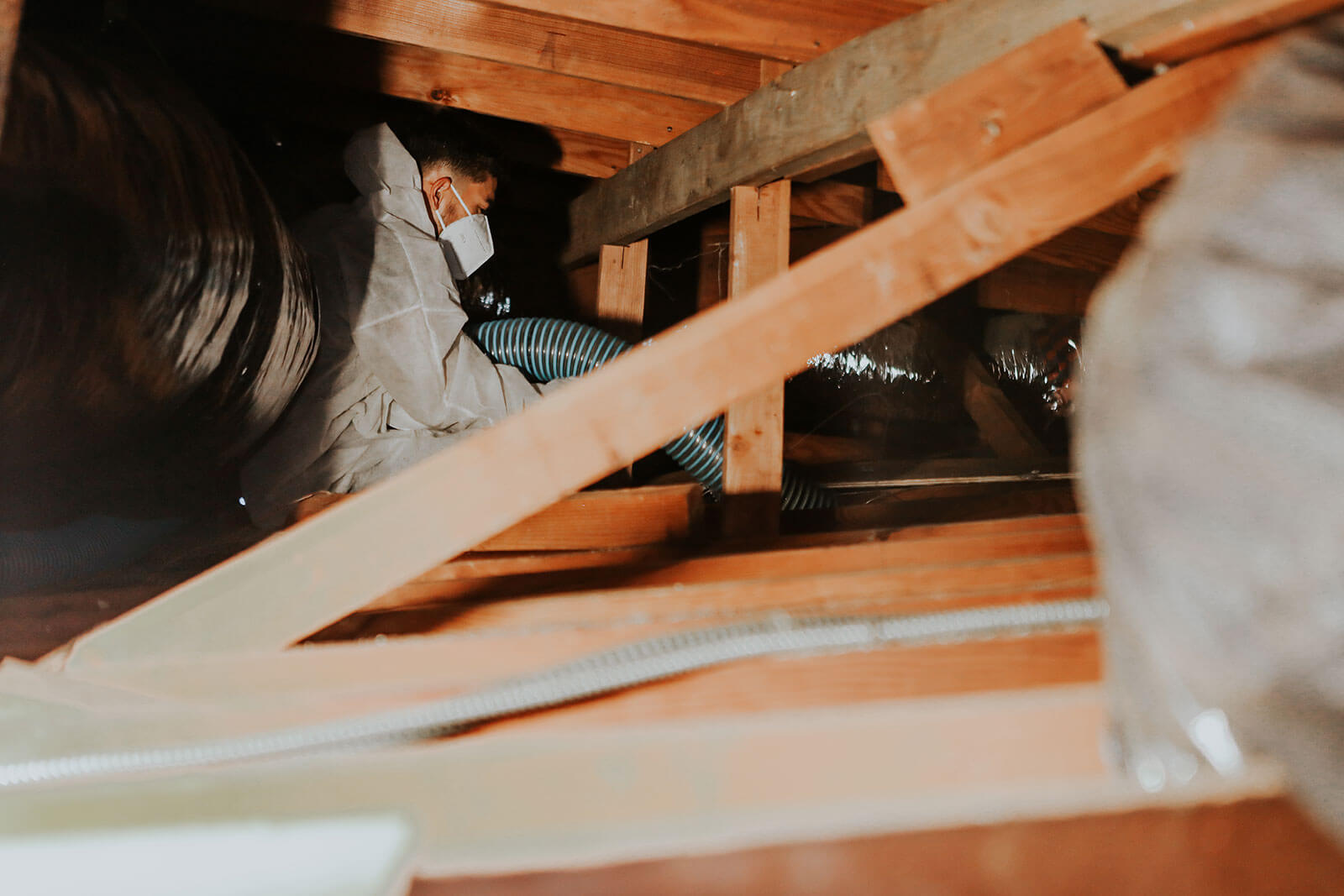
- Eaves and Gutters: Check these areas regularly as they can harbor nests. Vents: Look for any damaged or missing vent screens that could allow access.
4. Evaluate Landscaping and Surrounding Areas
Your landscaping plays a significant role in pest control as well.
- Bushes and Trees: Keep them trimmed so they do not touch the house; this reduces pathways for pests. Mulch Piles: These can attract various insects if not managed properly.
Common Entry Points to Look For
When considering how to identify potential entry points for pests in your property, here are some common spots where pests may breach your defenses:
1. Gaps Under Doors
Doors that don't fit snugly against their frames can be an open invitation for pests. Installing door sweeps or weather stripping may help address this issue effectively.

2. Cracks Around Pipes
Check the areas around plumbing pipes entering walls; if there are gaps, fill them with caulk or expanding foam.
3. Ventilation Openings
Unscreened vents are another common vulnerability that allows easy access to rodents and insects alike. Ensure all ventilation openings have proper screening.
Why You Should Consider Professional Help?
While DIY inspections are beneficial, enlisting the expertise of a reputable rodent control company like Rodent Control Inc., provides added assurance that no stone is left unturned in preventing pest intrusion. Professionals have specialized tools and experience that enable them to identify hard-to-find entry points more effectively than most homeowners could achieve alone.
FAQs
1. What types of pests should I be concerned about?
Depending on your location, common intruders include rodents (like mice and rats), ants, termites, spiders, and cockroaches.
2. How often should I inspect my property for pest entry points?
It's advisable to perform a seasonal inspection at least four times a year—before winter sets in being particularly crucial due to increased pest activity seeking warmth indoors.
3. Can I seal all gaps myself?
Yes! Most gaps can be sealed using caulk or foam insulation products available at hardware stores; however, hiring a rodent control company ensures thoroughness.
4. What signs indicate I already have a pest problem?
Look out for droppings, gnaw marks on furniture or walls, nests made from shredded materials, or sounds coming from walls/attics during nighttime hours.
5. Are pest control chemicals safe for use around children?
Many modern pest control solutions are formulated to be safe when used according to label instructions but always consult with professionals from reputable companies like Rodent Control Inc., before application if children are present.
6. How long does it take to eliminate an infestation?
The duration varies based on the extent of infestation; minor issues Pest control service may resolve within days while larger infestations could take weeks requiring ongoing treatment from experts like those at Rodent Control Company!
Conclusion
Identifying potential entry points for pests in your property is an essential step in maintaining health and safety standards at home or workspaces alike! By performing regular inspections both internally and externally—and potentially hiring professionals such as those at Rodent Control Company—you'll create an effective barrier against unwanted invaders while ensuring peace of mind year-round!
In summary, knowledge paired with proactiveness goes far when it comes down to successfully safeguarding one’s living environment against pesky critters trying their best at breaking through our defenses!